


















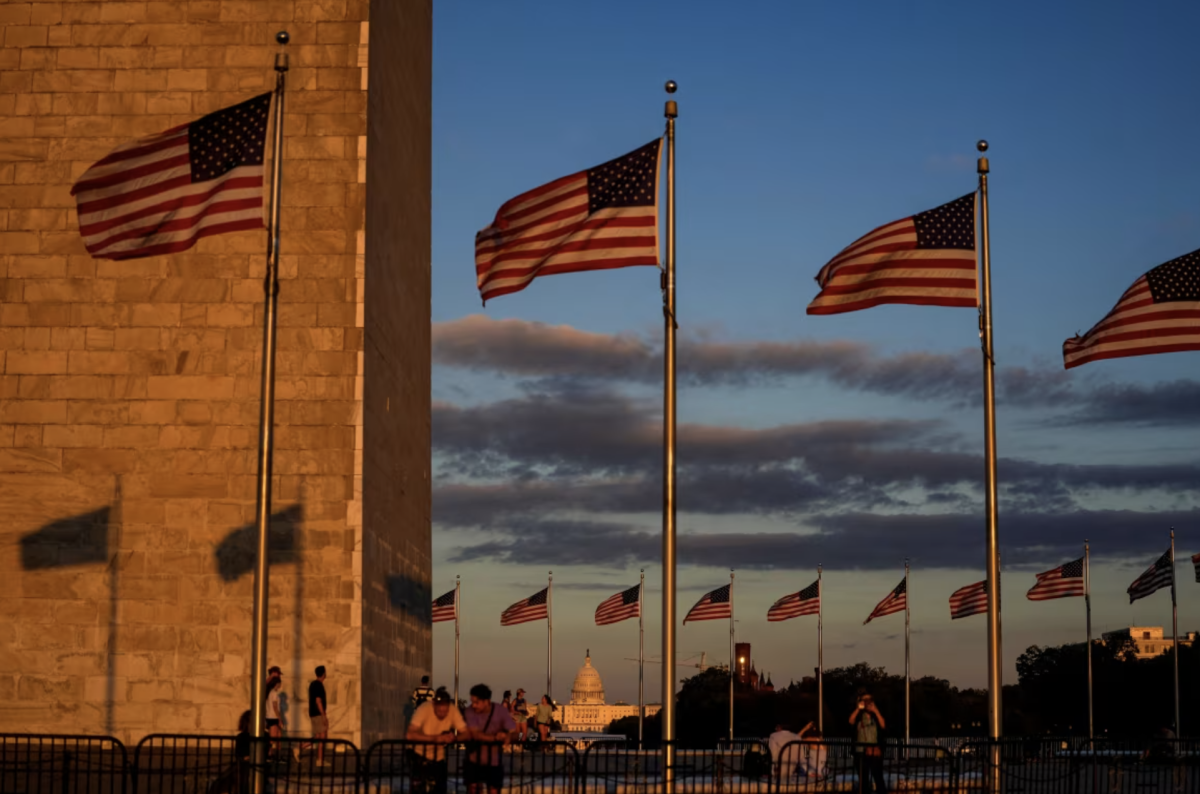
The United States Federal Government continues to remain partially shut down since October 1, 2025, having lapsed in funding after Congress failed to pass the necessary bills by the deadline of September 30th. The closure has now entered its third week, making it one of the longest funding gaps in recent history.
The shutdown is the result of a disagreement between the two major parties over a spending agreement. Democrats are demanding an extension of expiring tax credits for Americans enrolled in health insurance through the Affordable Care Act. Republicans, on the other hand, who control the House, the Senate, and the Presidency, have turned down this demand, insisting that negotiations on health care funding should only occur after the government is fully reopened through a continuing resolution, a short-term spending bill without controversial policy additions. A proposed resolution that would fund the government through November 21st has failed to pass the Senate multiple times.
The funding lapse has led to the unemployment of hundreds of thousands of non-essential federal employees, who are not receiving pay. Services that rely on annual funding have been retained or suspended, including:
- National Parks and Museums: Many federally managed public sites have been closed to visitors.
- Economic Data: Releases of key economic data from agencies like the Bureau of Labor Statistics have been delayed.
- Federal Loans and Grants: Processing of small business loans and certain energy assistance grants has been halted or significantly delayed.
Essential government services continue, with “excepted” personnel, such as law enforcement, military service members, and air traffic controllers, who are required to work without immediate pay. Programs funded outside of the annual funding process, such as Social Security, Medicare, and The U.S. Postal Service remains operational, although some functions are limited.
Economists are warning of a continued drag on economic growth the longer the shutdown continues, pointing out both the lack of pay for federal workers and disruptions to vital government functions. Negotiations still are to continue with no close resolution in sight.